By: Madeleine Calick, 3L and Student Bar Association president
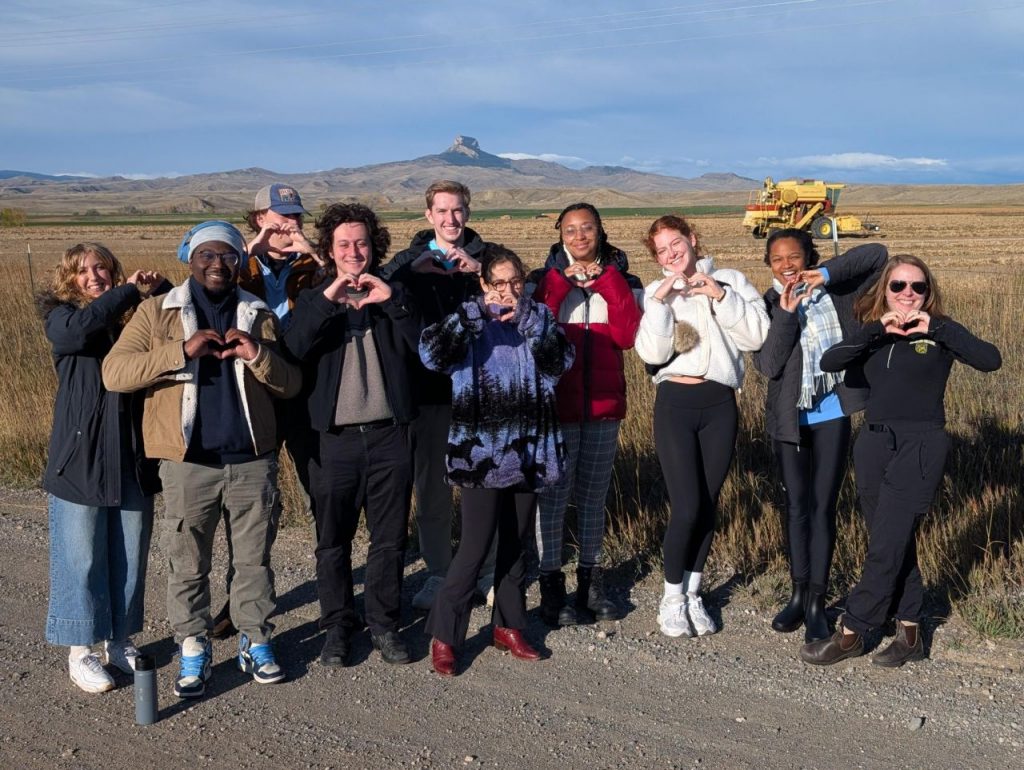
I often find myself replaying the countless fond memories I shared with my peers during our fall break trip to Wyoming. When people ask me, “How was your time out West?” I do not even know where to begin. There are simply too many moments to recount, too many laughs to retell and too many memories someone “just had to be there for.”
One of the most unique classes offered at UNC School of Law is Lawyers in Justice, Lawyers Injustice, taught by Eric Muller, a Dan K. Moore Distinguished Professor of Law in Jurisprudence and Ethics. The curriculum focused on professional responsibility and identity, taking students to Heart Mountain, Wyoming, and using the incarceration of Japanese Americans during World War II as a reflection of the complexities of the law.
Prior to the trip, I did not know what to expect. I wanted to go in without any preconceived notions, so I could fully enjoy the class in its entirety. I wanted to develop my own experiences and takeaways. All I knew was that I was not going to let my “3LOL” attitude get in the way of completing the required readings and participating fully in group discussions. Since the soul of the seminar relied on student-led sessions, I owed it to myself, Professor Muller, and my peers to come prepared.
Once we arrived in Wyoming, it was only natural to begin reflecting on the topics we were going to discuss. I am not going to lie; the implications of the material were eye-opening. While I had a vague understanding of the fact that Japanese Americans were incarcerated as a “threat to national security” after Pearl Harbor, our time at Heart Mountain Interpretive Center in Cody, Wyoming really illuminated the extent of the injustice against these individuals. During our first of many visits to the center, we were taken on a tour of the site. Apart from the world-class museum exhibition — which housed many hands-on elements I appreciated — the center carefully explored the deep cultural implications of incarceration for the Japanese American community. In this exploration, they lovingly portrayed the unwavering spirit, resilience and psyche of those who were housed there.
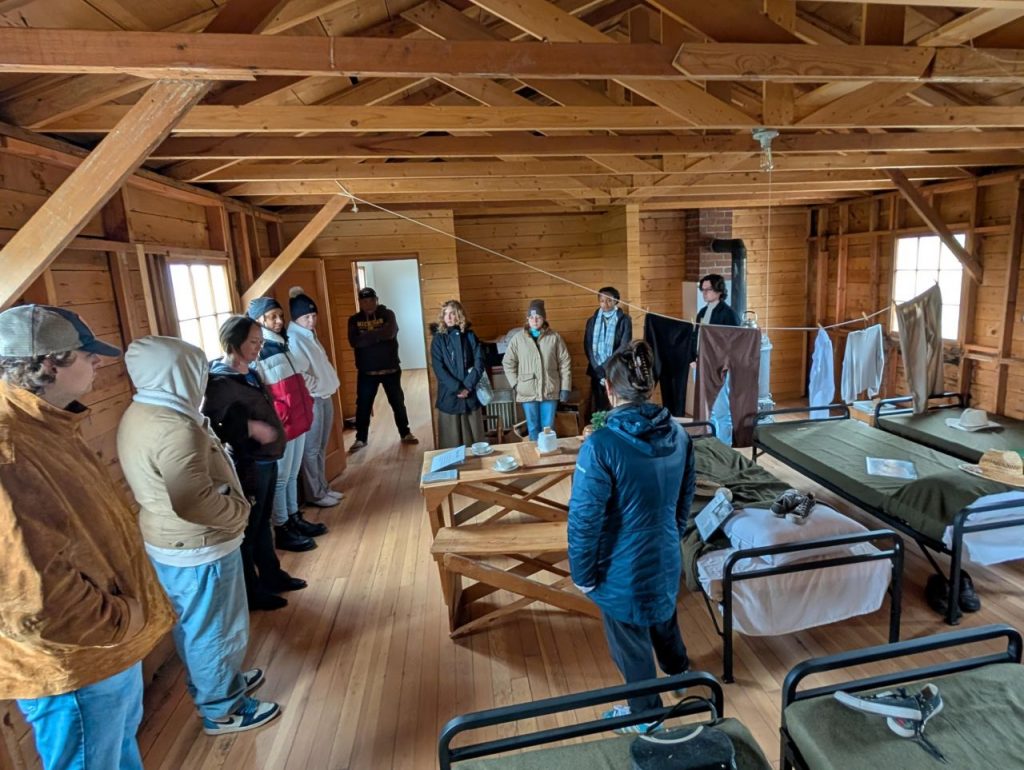
As we toured the area, our class saw an original barrack, restored to what the interned would have had as their living quarters while incarcerated. Our guide respectfully shared their stories and allowed us to walk the same paths they had. As I took these steps around the grounds of the site, I felt the tremendous weight of the history that took place around me.
As a law student, we often spend so much of our time with our noses in books or eyes glued to a laptop screen. While the material we engage with in classes is an important part of our education, developing a sense of professional identity through history and reflection is paramount to becoming a truly well-rounded lawyer and steward of the law. I feel unbelievably grateful to share my experience on Heart Mountain with my peers. Through this class, Professor Muller’s guidance allowed us to make lasting connections with the history of Heart Mountain.
As we engaged with and reflected on this history, my peers and I connected with one another in a much greater sense. I won’t go into the jokes we shared, but let’s just say the reveal of the “Foe” hat was a life-altering experience for me. Above all, Lawyers in Justice, Lawyers Injustice represents one of the many experiences unique to our family at Carolina Law.